SLA vs FDM: Which 3D Printing Process Is Right for You?
The right choice between SLA vs FDM depends on the part itself. FDM melts and extrudes thermoplastic into strong, functional parts. SLA cures liquid resin into parts with fine detail and a smooth surface finish. Both print in about a day and cost far less than tooling, but they are built for different jobs.
Choose the wrong one, and you get a brittle resin part where you needed a load-bearing bracket, or a layer-lined FDM part where you needed a clean master pattern. The decision is less about which process is better and more about which one fits the specific application.
We run both FDM and SLA as part of our 3D printing service, so this comparison reflects how each process performs in production.
In This Guide: how FDM and SLA work, a side-by-side comparison, the strength and accuracy tradeoffs, the materials each process runs, and a framework for choosing the right one.
How FDM and SLA Work
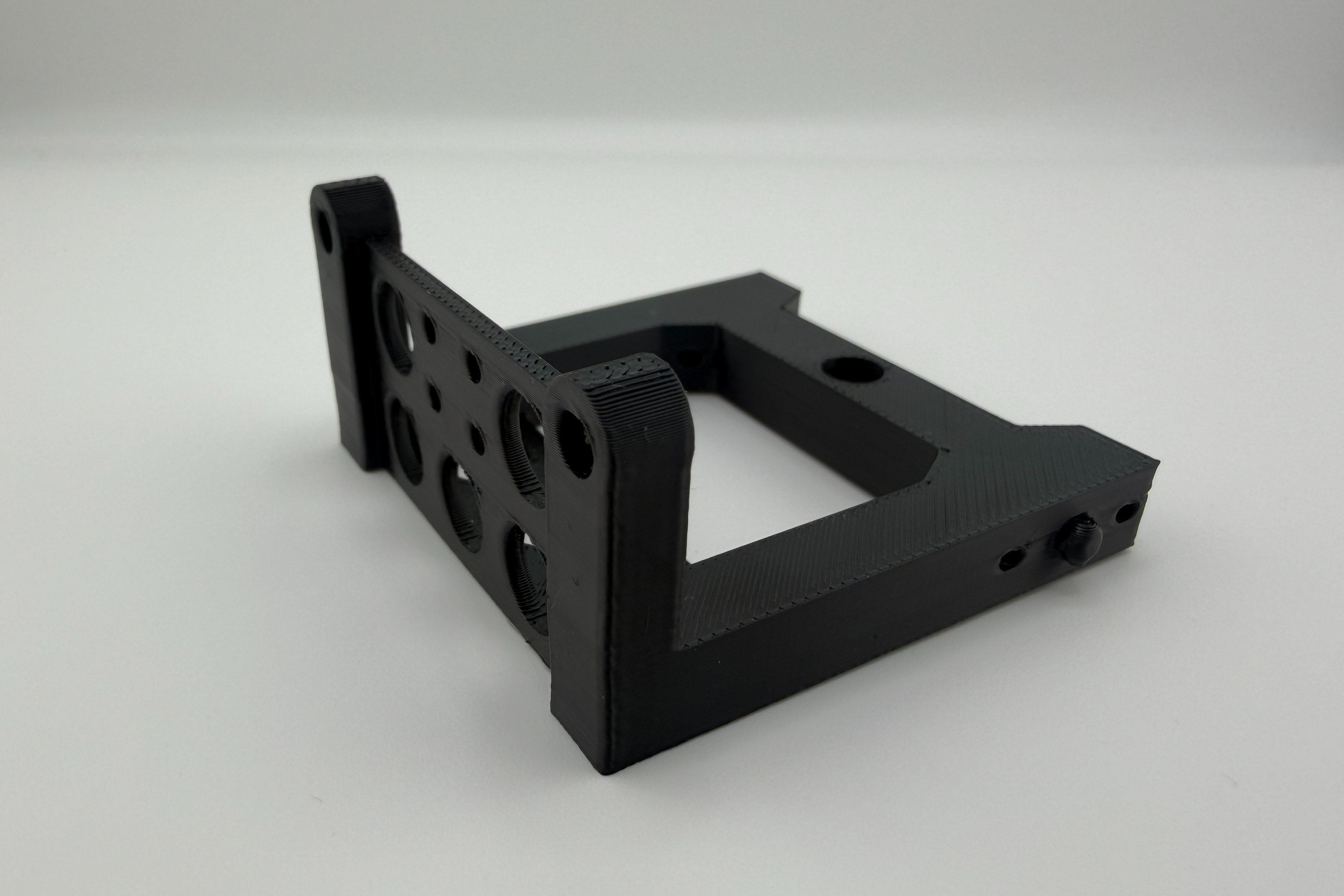
FDM, or fused deposition modeling, pushes a thermoplastic filament through a heated nozzle and lays it down in stacked layers. The part is built from the same engineering plastics used in injection molding: PLA, ABS, ASA, PETG, and TPU. SLA, or stereolithography, builds differently. A UV light source cures liquid photopolymer resin one layer at a time inside a tank.
People shorthand the two as filament versus resin, and that material difference shapes most of the tradeoffs below. FDM produces parts in standard thermoplastics with predictable mechanical behavior. SLA produces a cured thermoset resin that holds fine detail but behaves differently from a molded thermoplastic, especially under load.
SLA vs FDM at a Glance
| Attribute | FDM | SLA |
|---|---|---|
| Process | Melted thermoplastic extruded in layers | Liquid resin cured by UV light |
| Strength | Strong, but weaker between layers | Uniform, but more brittle |
| Typical tolerance | Around ±0.3 mm | Around ±0.1 mm |
| Surface finish | Visible layer lines | Smooth, minimal finishing |
| Build volume | Larger | Smaller |
| Materials | PLA, ABS, ASA, PETG, TPU | Standard, engineering, and specialty resins |
| Relative cost | Lower | Higher |
| Post-processing | Minimal | Wash and UV cure required |
| Lead time | About 1 business day | About 1 business day |
| Best for | Functional, large, or outdoor parts | Detailed, smooth, visual parts |
Strength and Mechanical Performance
FDM parts are strong along the print plane and weaker between layers. This direction dependence is called anisotropy. A bracket loaded along its layers performs well, while the same bracket loaded across its layers can fail at the layer bond. Orientation during printing matters as much as the material choice, which is why functional FDM 3D printing parts are designed and oriented with load direction in mind.
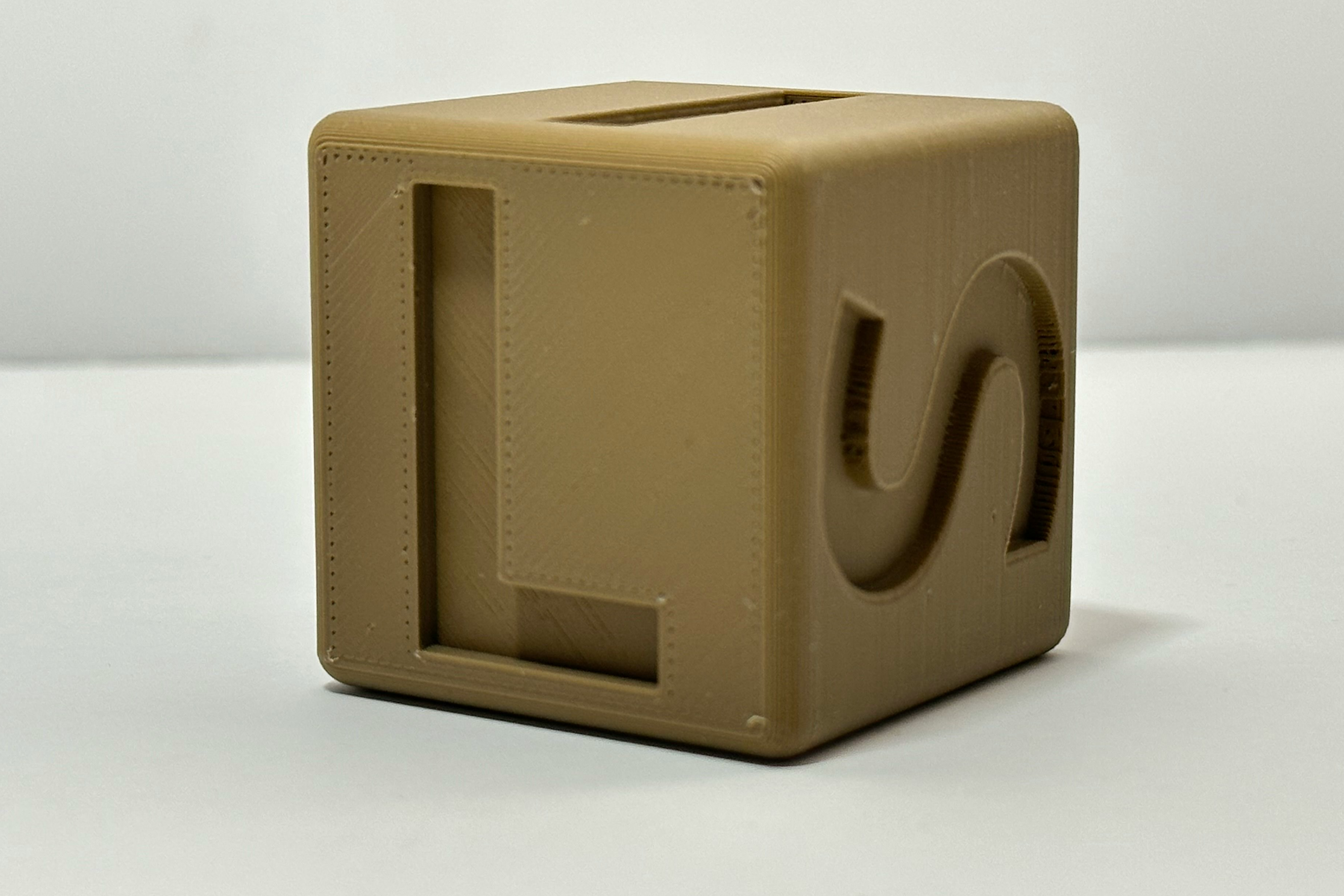
SLA parts are more uniform in strength across directions, because the resin cures into a solid mass rather than bonded beads. They are also more brittle. Standard SLA resins fracture under impact where an FDM part in ABS would flex and recover, and engineering resins narrow that gap without fully closing it. A 2025 peer-reviewed study printed identical test geometries in both processes and measured the differences across strength, accuracy, and cost, finding that each process led on different metrics (Applied Sciences, MDPI).
Is SLA Stronger Than FDM?
It depends on the load. SLA parts are more isotropic, meaning strength is consistent in every direction, while FDM parts are weaker between layers. But most SLA resins are brittle and crack under impact. For functional parts that bend or absorb shock, FDM is stronger. For uniform, detailed parts under light load, SLA holds up well.
Accuracy, Resolution, and Surface Finish
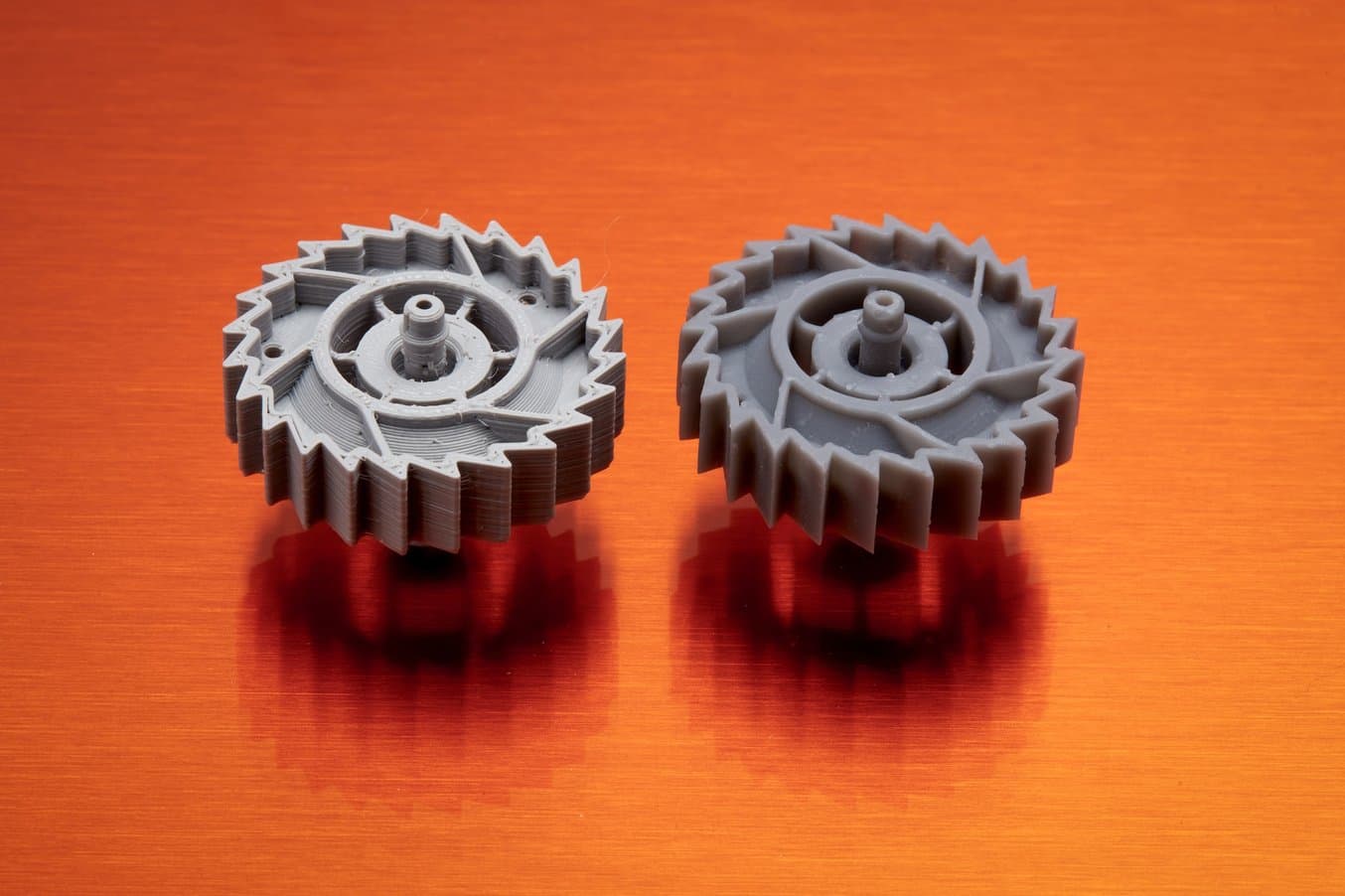
SLA produces finer detail than FDM. Typical SLA layer heights run 25 to 100 microns, and the cured surface comes off the printer smooth enough to need little finishing. FDM layers usually fall between 100 and 300 microns, which leaves visible layer lines, especially on curved or angled surfaces. Typical FDM tolerances land around ±0.3 mm, while SLA 3D printing commonly holds closer to ±0.1 mm on well-controlled machines.
Whether that gap matters depends on the part. Layer lines are irrelevant on an internal mounting bracket. They are a problem on a master pattern for casting, a clear visual prototype, or a part with fine engraved text. When surface quality is part of the spec, SLA justifies its higher cost; when the part is structural, the difference does not affect how it works.
Learn more about our SLA 3D Printing Services
Materials and Environmental Resistance
Material choice is the clearest split between the two processes. The five FDM materials we run most often each suit a different job:
- PLA: Stiff and easy to print, with low heat resistance. Good for early prototypes and fit checks, poor for anything exposed to heat or sun.
- ABS: Tough and impact-resistant, handles moderate heat. A workhorse for functional FDM parts.
- ASA: Similar to ABS, with strong UV resistance. The default for parts that live outdoors.
- PETG: Chemical-resistant and durable, and easier to print than ABS.
- TPU: Flexible, for gaskets, grips, and living hinges.
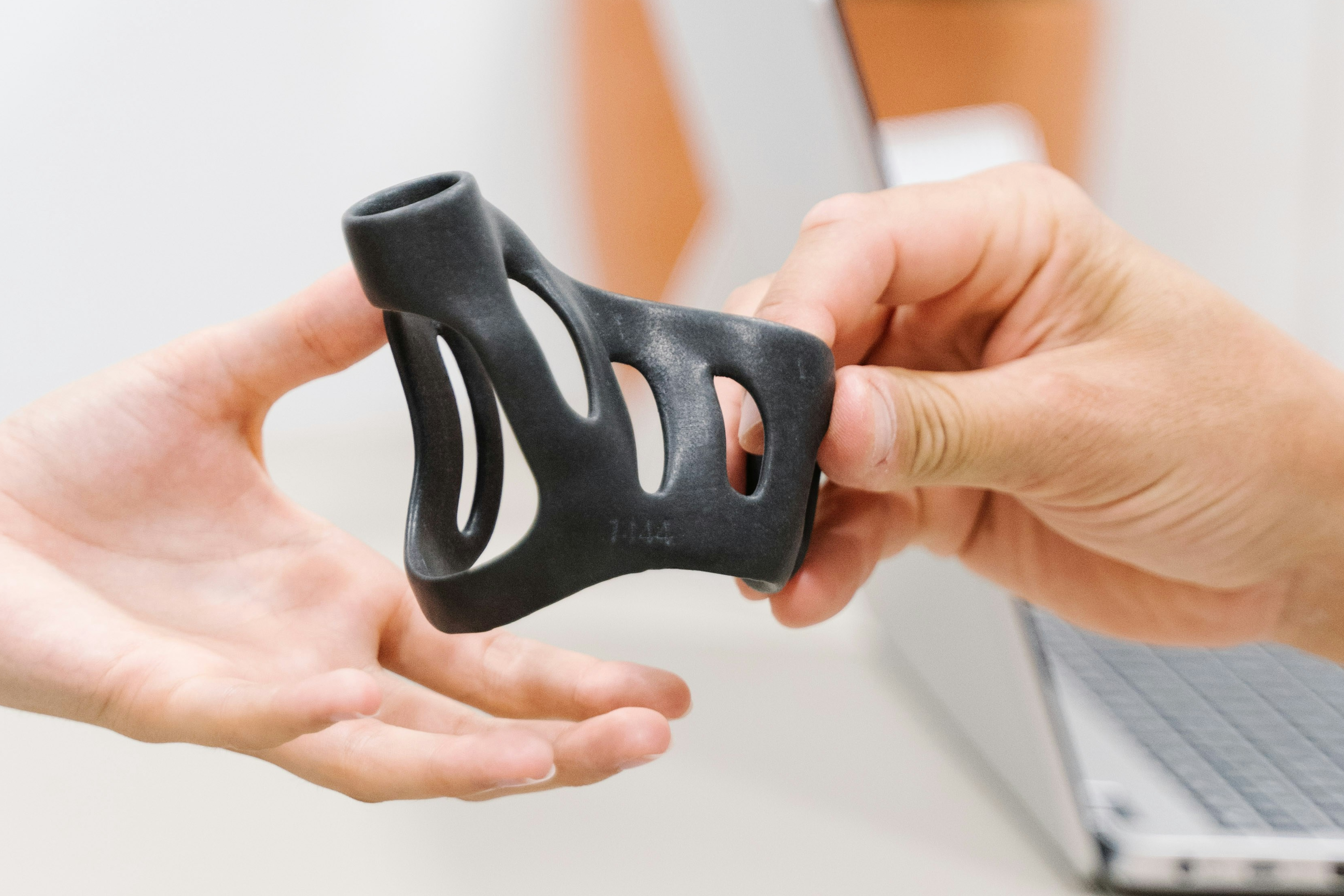
SLA resins cover their own range: standard resins for detail and low cost, engineering resins that are tougher and more heat-resistant, and specialty resins for casting, dental, or clear applications. Most share one weakness. UV exposure degrades cured resin over time, so an outdoor part is an easy call. An ASA print holds up in sun and weather, while a resin part yellows and grows brittle.
Cost and Turnaround
On a per-part basis, SLA usually costs more. Resin is more expensive than filament, and every SLA part needs post-processing: a wash in isopropyl alcohol to remove uncured resin, then a UV cure to reach full strength. That adds labor and time on top of the print itself. FDM parts often come off the bed ready to use with minimal cleanup.
FDM also scales better to size. Build volumes are larger and material cost per cubic centimeter is lower, so large or hollow parts are cheaper to print in FDM. SLA build platforms are smaller, which caps part size and raises cost on bigger geometries. For low-volume production runs of functional parts, FDM is usually the more economical process.
Both processes turn parts around quickly. For rapid prototyping, either can be ready in about one business day, depending on size and queue. To compare pricing directly, upload a model for an instant quote and check both options side by side.
When to Choose SLA vs FDM
Match the process to what the part needs most.
Choose FDM When
- The part is functional and carries a mechanical load.
- It needs to survive outdoors, where ASA resists UV and weather.
- It is large, or you need several at a low cost.
- It is an internal or structural component where finish does not matter.
- You want a standard thermoplastic that mirrors a molded material.
Choose SLA When
- Fine detail or sharp features define the part.
- Surface finish has to be smooth with minimal post-processing.
- It is a visual prototype, master pattern, or display model.
- Tolerances are tight and the part is small to medium in size.
- Appearance matters more than mechanical strength.
If a part needs both high strength and high detail, or you are weighing powder-bed options like SLS and MJF as well, our full 3D printing process comparison covers all four side by side.
Conclusion
For most parts the choice is straightforward: FDM for functional, large, or outdoor parts, and SLA for detailed, smooth, or visual ones. The deciding question is usually whether the part is judged by how it performs or how it looks.
If you are still unsure, or you do not have a print-ready file, our CAD team can help you pick the right process and prepare the design for it.
Frequently Asked Questions
What is the difference between FDM and SLA?
FDM melts and extrudes thermoplastic filament in layers, producing strong, functional parts with visible layer lines. SLA cures liquid resin with UV light, producing smooth, highly detailed parts that are more brittle. FDM suits functional and larger parts, while SLA suits fine detail and surface finish.
Is SLA faster than FDM?
Print speed is similar for comparable parts, but SLA takes longer overall because every part needs washing and UV curing after printing. FDM parts often need little or no post-processing, so total turnaround is usually shorter with FDM.
Is SLA more expensive than FDM?
Usually, yes. Resin costs more than filament, and SLA adds post-processing labor for washing and curing. FDM is more economical for larger parts and low-volume runs. SLA is worth the higher cost when fine detail or surface finish is the priority.
Which is more accurate, SLA or FDM?
SLA is more accurate. It holds tolerances around ±0.1 mm with layer heights as fine as 25 microns, against roughly ±0.3 mm for FDM. SLA also produces smoother surfaces with far less visible layering.
Can SLA parts be used outdoors?
Generally no. UV light degrades most cured SLA resins, causing yellowing and brittleness over time. For outdoor parts, FDM in ASA is the better option because ASA resists UV and weathering.
By: The Simple Machining Team Simple Machining is a Bay Area on-demand manufacturer specializing in 3D printing, CNC milling, and CAD design for engineers and product teams. We work with startups and SMBs across the US to deliver fast-turn, high-quality parts with no minimum order quantities.
Disclaimer
The content appearing on this webpage is for informational purposes only. Simple Machining makes no representation or warranty of any kind, be it expressed or implied, as to the accuracy, completeness, or validity of the information. Any performance parameters, geometric tolerances, specific design features, quality and types of materials, or processes should not be inferred to represent what will be delivered by Simple Machining. Buyers seeking quotes for parts are responsible for defining the specific requirements for those parts. Please refer to our terms and conditions for more information.