Toxic Fumes, Microplastics, and Cancer: The Hidden Health Risks of 3D Printing
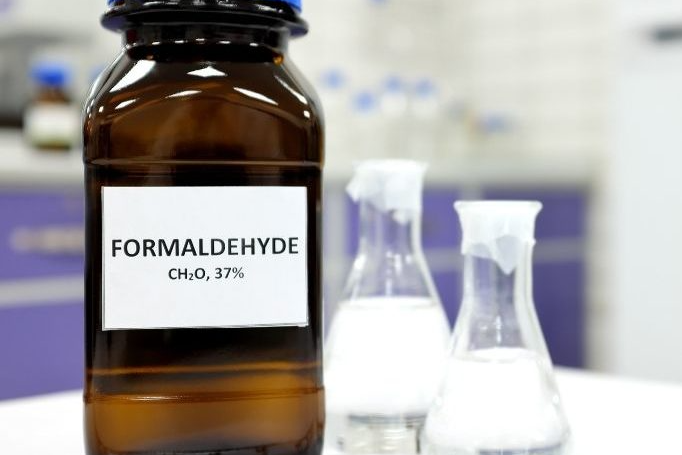
3D printing has come a long way from hobbyist kits and prototypes. As businesses and teams increasingly rely on additive manufacturing for end-use parts, it’s important to consider the safety risks involved, especially when printing indoors. Many printing methods release airborne particles, chemical fumes, or skin irritants that can accumulate over time if not properly managed. This guide breaks down the most common health concerns associated with FDM, SLA, SLS, and MJF printing, and explains how professional shops keep their environments safe.
What You’ll Learn
- Which 3D printing processes emit harmful particles or chemicals
- How common symptoms like coughing or skin irritation may relate to 3D printing
- Safety protocols professionals use and which ones you can adopt
- How to evaluate when to print in-house vs. outsource
Ultrafine Particles and Air Quality Concern

particles in lungs, alen.com
Airborne particle emissions are among the most common and under-recognized risks of 3D printing. These fumes are often too small to see but can cause respiratory issues when inhaled, especially in poorly ventilated areas.
Skip the fumes entirely. Upload your file and get FDM, SLA, SLS, or MJF parts in as fast as 1 business day. Get an Instant Quote
FDM
Fused Deposition Modeling (FDM) melts thermoplastic filament, such as PLA or ABS, to build parts layer by layer. As the filament is heated and extruded, the process releases fumes which are ultrafine particles (UFPs) and volatile organic compounds (VOCs), including styrene and formaldehyde. UFPs are small enough to bypass the lungs’ natural filtration, contributing to the buildup of inhalable microplastics over time. Formaldehyde, although naturally occurring, is a known irritant and potential carcinogen associated with eye irritation, respiratory issues, or potentially cancer. When exposed to high concentrations. Emissions tend to increase with higher print temperatures and specialty filaments containing additives. Even PLA, often marketed as "non-toxic," can generate significant particle levels without adequate ventilation.
Worried about home exposure? We handle the fumes, you get the parts. Our shop runs every printer in a dedicated, filtered enclosure with the ventilation, PPE, and powder-handling protocols that home setups can't match. Send us your file and skip the garage cleanup.
SLS
Selective Laser Sintering (SLS) uses fine nylon or metal powders that become airborne when handled. These particles, especially those smaller than 2.5 microns (PM2.5), can reach deep into your lungs. A 2024 study in Multidisciplinary Science Journal found that powder-handling areas can exceed safe dust levels if not properly controlled.
Chemical Exposure and VOC Emissions
Volatile organic compounds (VOCs) released during printing can contribute to eye, skin, and respiratory irritation. Long-term exposure may carry more serious health implications.
MJF
Multi-Jet Fusion (MJF), a process invented by HP, operates at high temperatures, fusing powdered materials with infrared heat and chemical agents. Caprolactam, a known irritant, is one of the most common emissions. HP’s safety guidelines recommend engineering controls and air monitoring. Independent field tests have confirmed VOC spikes during extended runs without enclosure-based filtration.
SLA
Stereolithography (SLA) uses liquid resins cured by UV light. Many commercial resins include sensitizers that can cause skin irritation or respiratory irritation. Uncured resin is especially risky when touched or inhaled, as off-gassing can continue even after printing is complete. The risks are higher with unventilated spaces or when handling uncured resin without gloves and goggles.
Read our article on comparing FDM, SLA, SLS, and MJF with our recommendations!
Reducing Risk Through Professional Manufacturing
Industrial Ventilation & UL 2904 Compliance
Service bureaus typically operate within dedicated print rooms equipped with negative-pressure airflow, HEPA and activated carbon filtration, and real-time air monitoring. These setups align with UL 2904, the widely adopted emissions guideline for 3D printing processes that help limit both particle and chemical exposure.
Certified PPE & Powder-Handling Protocols
Professional print shops use full PPE and follow written protocols for powder handling, curing, and post-processing. From batch tracking to material safety data sheets (SDS), the controls in place go beyond what’s feasible for most users.
DIY Safety in Small Shops
While outsourcing offers the safest path, small teams can reduce their risk by upgrading workspaces and habits.
Ventilation & Filtration Essentials
Operate printers in isolated, well-ventilated rooms, not shared workspaces. Use filtration-equipped enclosures or install local exhaust systems with HEPA and activated carbon filters. Monitor air quality when running extended or multi-printer jobs.
Safe Material Handling & Waste Disposal
Always review the Safety Data Sheet (SDS) for each material before use, and wear proper personal protective equipment such as gloves and goggles when handling resins or powders. SLA parts should be fully cured before sanding to avoid releasing uncured resin dust into the air. Dispose of resin waste, used gloves, and filters in accordance with local hazardous waste guidelines. These materials should never be thrown in regular trash or poured down the drain, as they may pose environmental and health risks.
Regulations and Industry Standards
Additive manufacturing is covered under several industrial health and safety frameworks:
NIOSH, OSHA & UL 2904
The CDC’s National Institute for Occupational Safety and Health (NIOSH) has issued guidance for school and small-business 3D printer setups, emphasizing localized ventilation and PPE. OSHA requires proper chemical labeling under the Hazard Communication Standard 1910.1200. UL 2904 provides the benchmark for equipment emissions.
ISO/ASTM 52911 for Powder-Bed Fusion and Sintering
This standard outlines best practices for powder containment, operator protection, and machine safety. It’s a useful reference point when evaluating vendors who offer SLS or MJF services.
Why Let Simple Machining Handle Your FDM, SLS, MJF & SLA Projects?
At Simple Machining, every printer runs in its own enclosed environment with dedicated filtration, real-time air monitoring, full PPE, and powder-handling protocols built around UL 2904 and NIOSH guidance. The risks discussed in this article are designed out of our process, not minimized by best-effort home practices.
For most teams, the cleanest path to safe 3D printed parts is not buying more equipment, more PPE, and more square footage of ventilated workspace. It is sending the file to a shop already built for it. Most jobs ship in 1 to 5 business days from our Bay Area facility with no minimum order quantity.
Skip the home setup. Get an instant quote and we'll handle the rest.
FAQs About 3D Printing Safety
Are 3D printer fumes toxic?
Yes, 3D printer fumes can be toxic. Heating filament releases ultrafine particles and volatile organic compounds, including styrene and formaldehyde, which are linked to respiratory irritation and longer-term health risks. Emission levels depend on the material, print temperature, and ventilation, with ABS and specialty filaments producing more harmful fumes than PLA.
Is PLA toxic to print indoors?
PLA fumes are the lowest-emission of any common filament, but they are not harmless. Printing PLA still releases ultrafine particles that accumulate in enclosed rooms, so running a printer in a bedroom or shared workspace without ventilation is not recommended. An enclosure with filtration or a well-ventilated dedicated room removes most of the risk.
Can 3D printing cause cancer?
Some emissions from 3D printing are classified as known or suspected carcinogens, including formaldehyde and styrene. Research on long-term exposure is still developing, but studies link chronic inhalation of ultrafine particles and VOCs to elevated health risks. Risk scales with exposure time, concentration, and ventilation quality.
Are resin printers toxic?
Yes, uncured resin is toxic. Liquid SLA resin is a skin and respiratory sensitizer, and printers continue off-gassing after a print finishes, so gloves, eye protection, and dedicated ventilation are required rather than optional. Fully washed and cured parts, by contrast, are stable and safe to handle.
Can 3D printers cause respiratory problems?
Yes. FDM and powder-based processes release ultrafine particles small enough to bypass the lungs' natural filtration and reach deep lung tissue. Symptoms of overexposure include coughing, throat irritation, and headaches, and repeated exposure in unventilated spaces increases the risk of chronic respiratory issues.
What are UL 2904 standards?
UL 2904 sets guidelines for acceptable particle and chemical emission levels from 3D printers. It is the benchmark professional print shops use to evaluate equipment and enclosure filtration, and a useful reference when comparing vendors.
Does 3D printing cause a smell?
Yes, especially with ABS and liquid resins. The odor comes from VOC emissions during printing, and a strong or lingering smell usually indicates the space is under-ventilated for the material being printed.
Key Takeaways
- 3D printing processes such as FDM, SLS, MJF, and SLA can emit ultrafine particles and VOCs.
- Without proper ventilation or PPE, users risk respiratory and dermal exposure.
- Professional manufacturing partners mitigate these risks through the implementation of engineered controls, certified processes, and adherence to environmental safety standards.