Scaling with On-Demand Manufacturing for Startups and SMBs
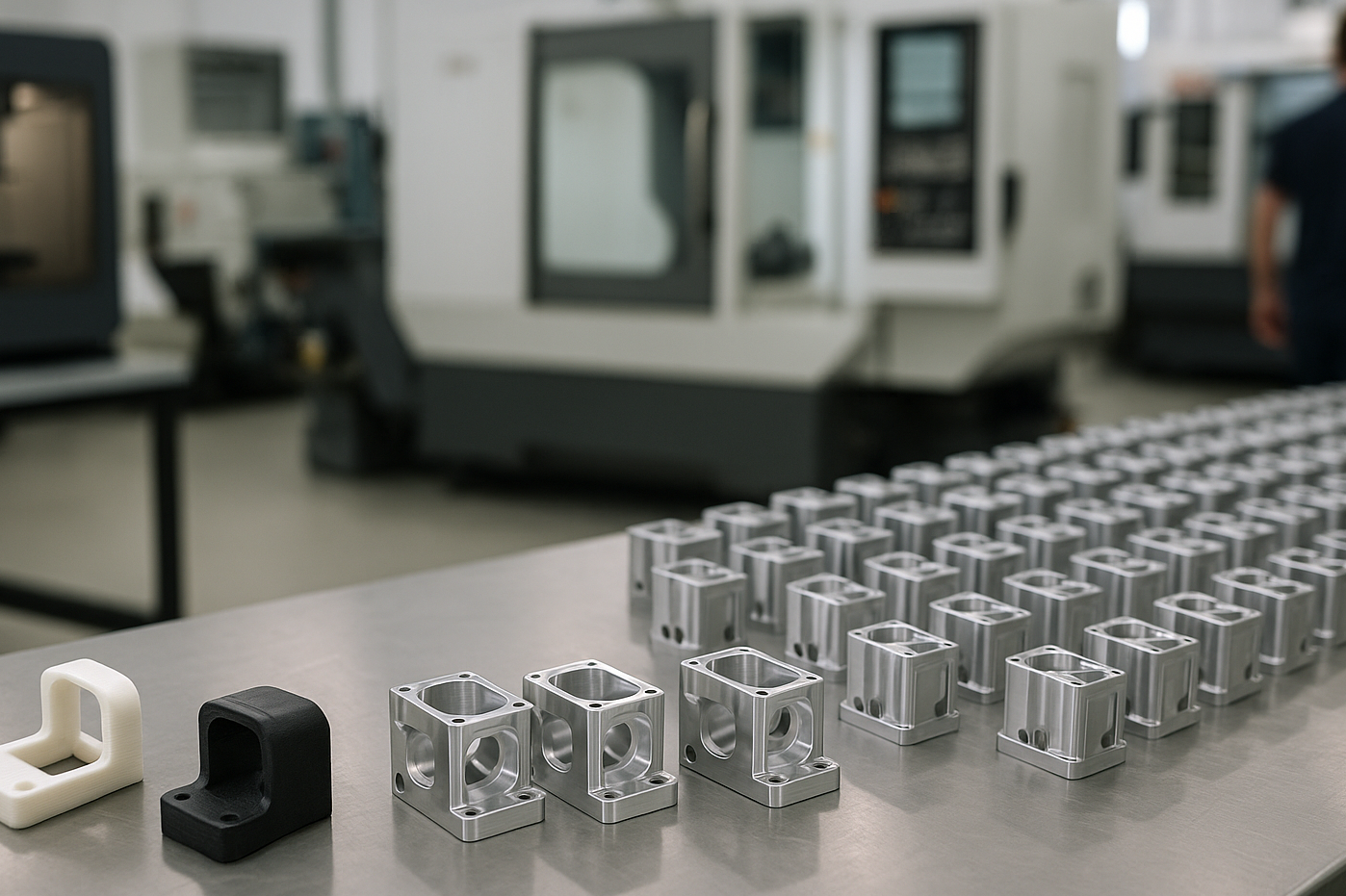
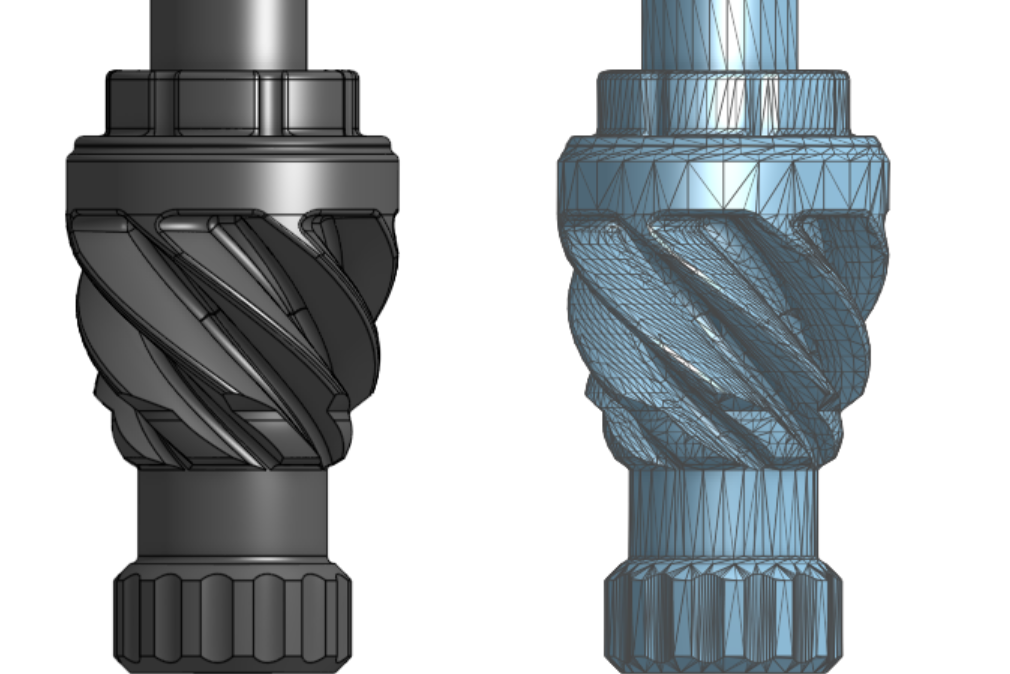
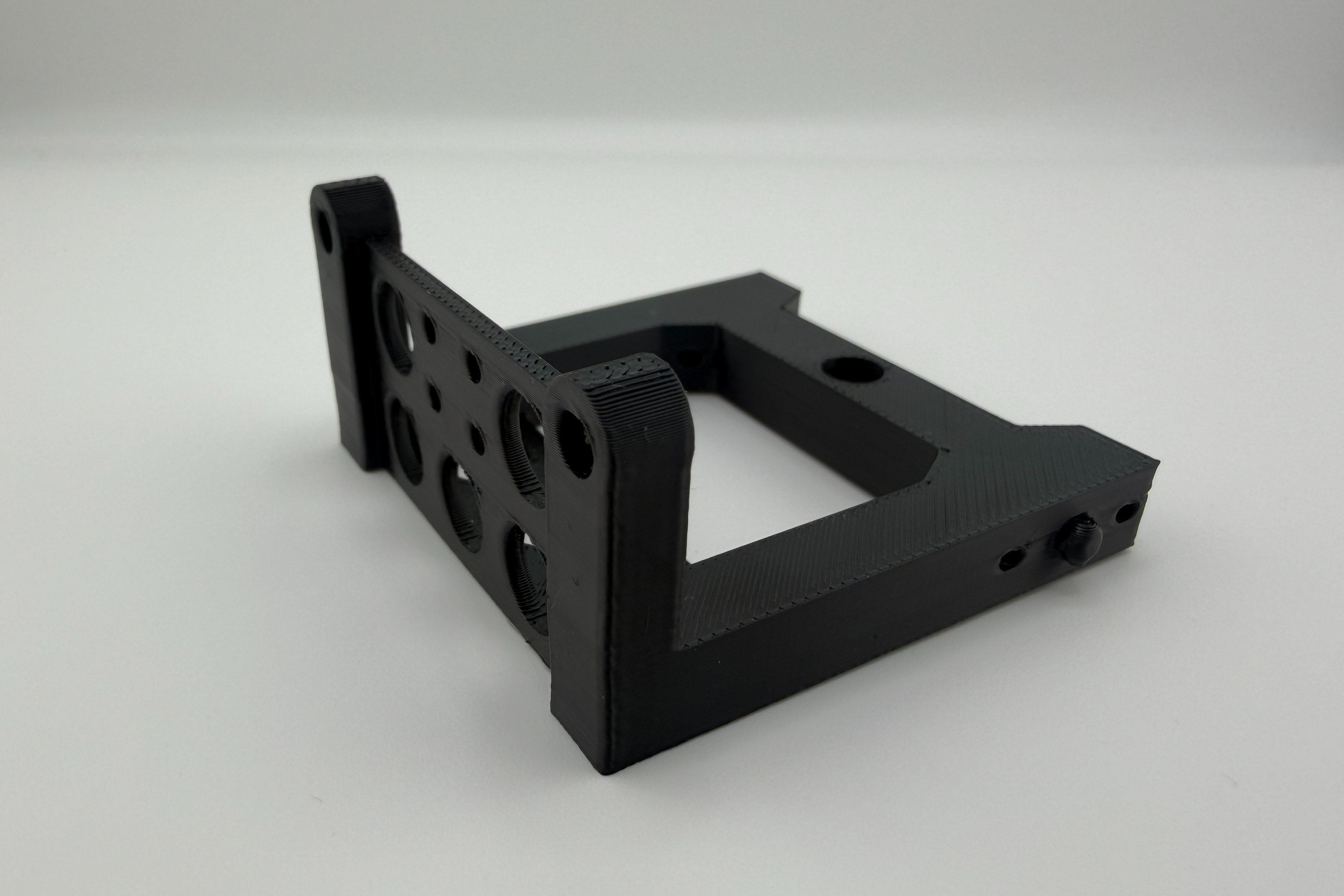
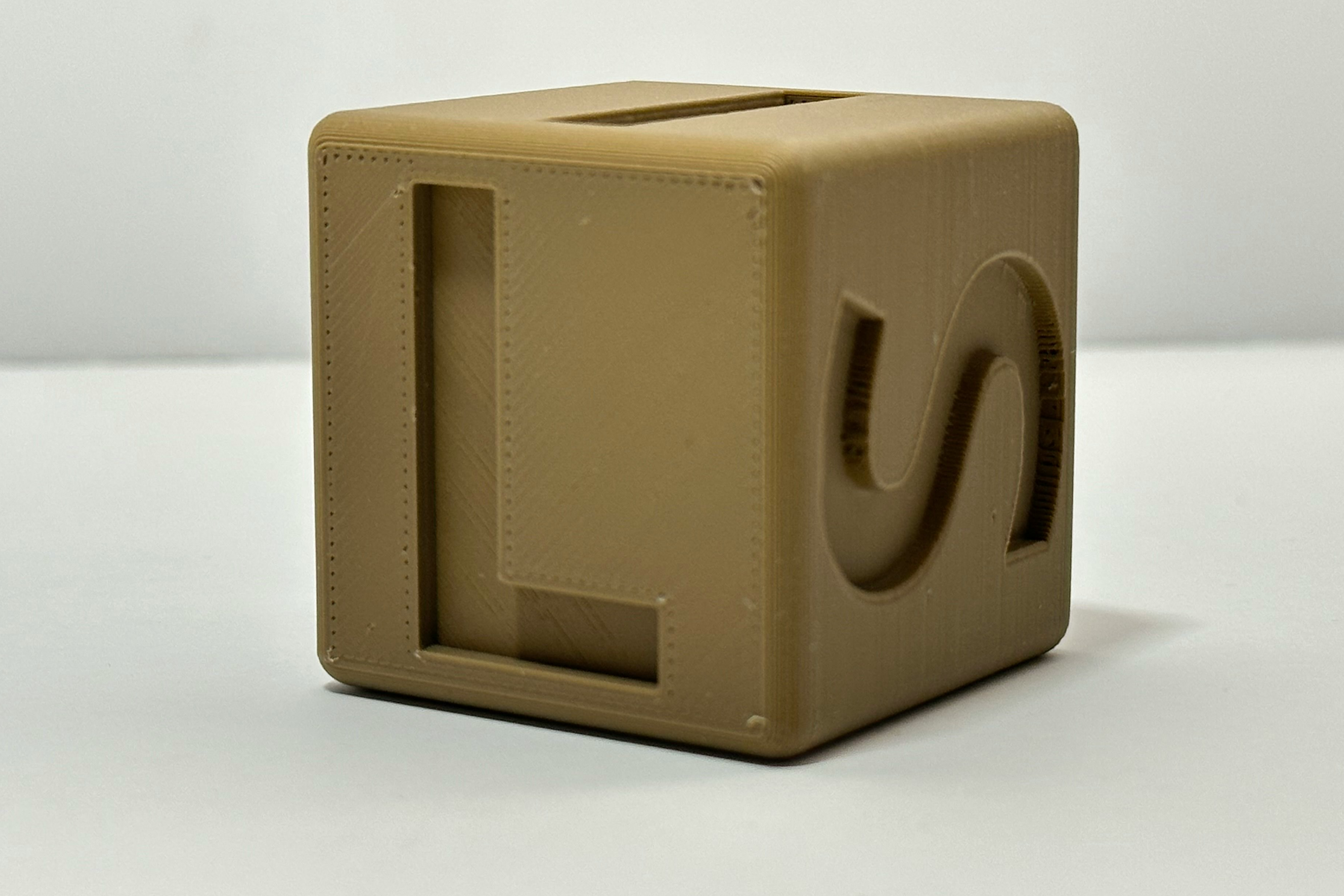
Image of scaling from prototypes on the left to mass production on the right.
Scaling production is one of the biggest hurdles for startups and small to medium-sized businesses (SMBs). Costs, lead times, and quality risks can multiply quickly. On-demand manufacturing provides a practical solution by enabling companies to grow in controlled steps without committing to high-volume risks.
Why Is Scaling Production Challenging for Startups?
Scaling is not just about making more parts; it’s about doing so reliably and cost-effectively. Startups and SMBs often face cost overruns from tooling and setup fees, supply delays caused by fragile supply chains, and quality issues that multiply when production volumes rise. For young companies, these challenges can stall momentum at the exact moment growth is needed most.
What Is On-Demand Manufacturing?
On-demand manufacturing allows teams to produce parts only when needed, in the quantities required. Instead of committing to thousands of units and storing them, businesses can order smaller batches on a rolling schedule. With services like CNC machining and 3D printing, production can scale up or down instantly without the burden of owning equipment, staffing a shop, or paying for storage space.
In effect, the fixed costs of manufacturing become variable costs that are absorbed by your supplier.
How Does On-Demand Manufacturing Reduce Risk?
On-demand manufacturing gives startups a path to scale safely by offering flexibility, cost control, and faster market entry. Companies can order scalable quantities, from prototypes to small batches to bridge runs. Shorter lead times support testing and launches, while the absence of large tooling investments keeps upfront costs low. By accessing a broader supplier network, startups also reduce the risk of relying on a single source.
On-demand manufacturing reduces risk by letting companies scale gradually. Instead of large upfront investments in tooling or inventory, businesses order in smaller batches, refine designs quickly, and keep capital free for growth.
What Are the Steps to Scale from Prototype to Production?
Successful scaling usually unfolds in stages. Early on, prototype runs validate design and functionality. Once confidence grows, companies move into low-volume batches to test markets and gather feedback. Bridge production comes next, where hundreds or thousands of units are produced to prepare for market launch. Finally, businesses can transition into high-volume manufacturing once demand is stable and predictable.
- Prototype Runs: Validate design and functionality.
- Low-Volume Batches:Test markets and gather customer feedback.
- Bridge Production: Produce hundreds or thousands of units before committing to mass production.
- High-Volume Manufacturing: Transition once demand is stable and predictable.
Bridge production is a low-volume manufacturing stage between prototypes and full production. It allows startups to produce hundreds or thousands of units for market testing without committing to high-volume tooling.
Is On-Demand Manufacturing More Expensive?
Understanding how costs change is critical to scaling successfully. Tooling costs are high at the start but spread across more units as volumes grow. Smaller material orders are more expensive per unit, while bulk orders reduce overall costs. Frequent setup and labor adjustments add expense in low-volume runs. As production scales, inspections and quality assurance become increasingly important to maintain consistency.
On-demand manufacturing can cost more per unit than mass production, but it avoids upfront tooling expenses and large inventory risks. For startups, the total cost is often lower because capital is preserved until demand is proven.
Common Misconceptions about Using an On-Demand Manufacturing Vendor
Misconception 1: On-demand is only for prototypes
Some teams assume on-demand manufacturing is limited to one-off prototypes. In reality, it’s just as effective for pilot runs, low-volume batches, and bridging into early production. On-demand suppliers can support scaling without forcing companies into high upfront commitments.
Misconception 2: On-demand always costs more
While small batches may have a higher per-unit cost than mass production, on-demand often reduces the total cost of sales. Avoiding tooling, setup fees, inventory storage, and the cost of unsold parts can save SMBs significant capital.
For instance, a startup can delay spending tens of thousands on injection mold tooling until demand is validated. Long-term relationships with an on-demand partner can also lower costs while retaining flexibility.
Misconception 3: On-demand means sacrificing quality
Some assume flexibility comes at the expense of precision. In practice, on-demand manufacturing uses the exact CNC machining and additive processes in traditional production. Parts still meet strict tolerances, and design-for-manufacturability (DFM) feedback ensures they are built for function, not just appearance.
How Do Small Businesses Scale Manufacturing?
Minimizing risk requires adopting practical scaling strategies. Designing for manufacturability helps reduce complexity and makes parts easier to produce. Planning realistic lead times ensures production, shipping, and inspection are all accounted for. Strong supplier relationships improve communication and reduce the likelihood of costly delays. Quality checks introduced early in the process help catch problems before they multiply.
Small businesses scale manufacturing by starting with prototypes, moving into low-volume production, and partnering with on-demand suppliers. This phased approach balances cost, quality, and flexibility while reducing risk.
When Should a Company Switch to Mass Production?
On-demand manufacturing isn’t always the final step. As companies grow, they should consider moving into high-volume production when per-unit costs outweigh the benefits of flexibility. A stable and predictable demand profile makes large tooling investments worthwhile, and at this stage, mass production becomes more efficient.
Companies should switch to mass production when demand is stable, volumes exceed thousands of units, and the cost of tooling can be spread across a large production run.
Conclusion
Scaling should be a growth opportunity, not a risk. On-demand manufacturing gives startups and SMBs the agility to move from prototypes to production with confidence, speed, and cost control. With the right partner, growth becomes less about risk and more about possibility.